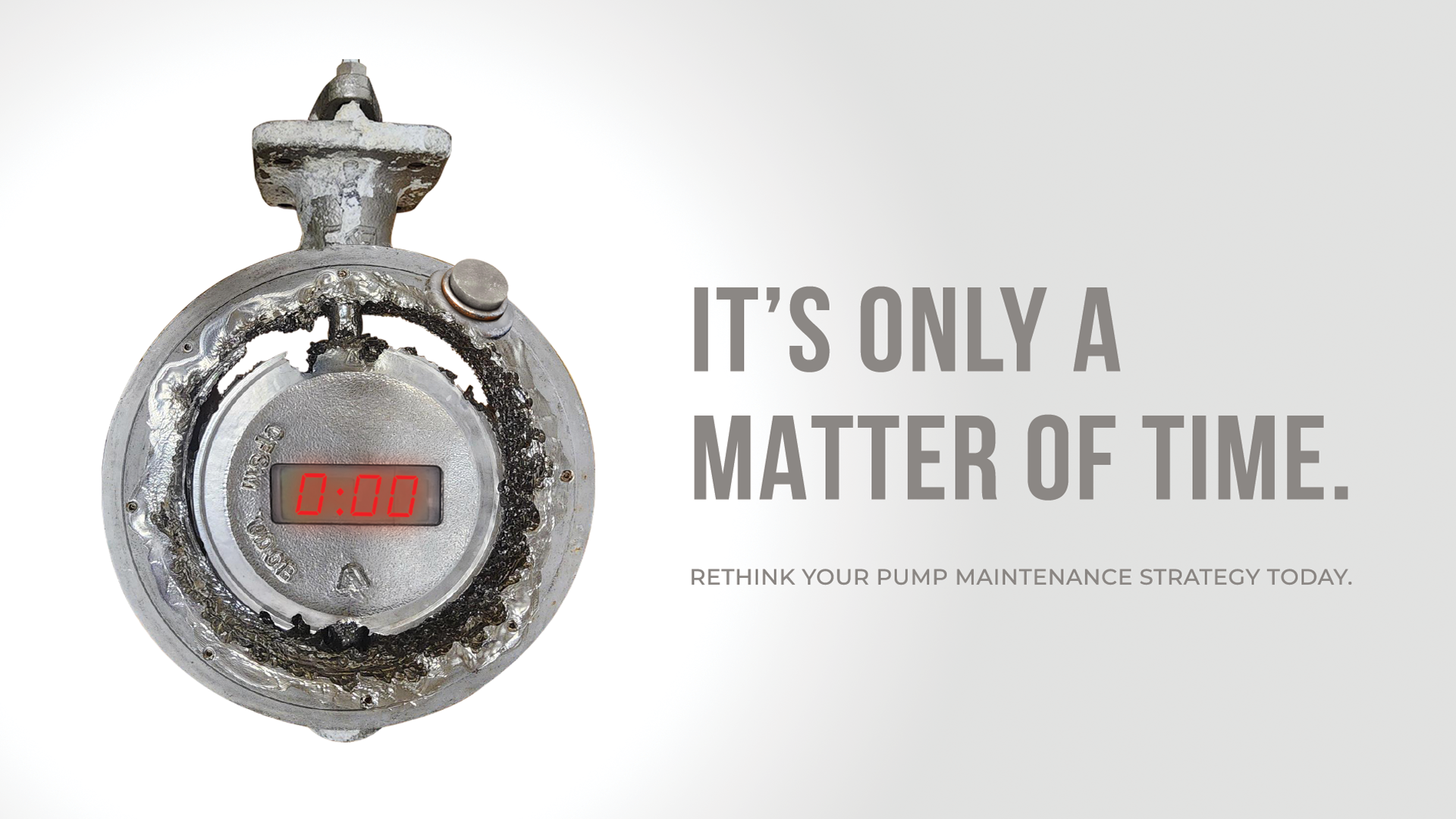
Cavitation destroys pumps. Left unchecked, it will silently erode the efficiency and reliability of fluid systems. But its occurrence can be mitigated through proper design, operation, and monitoring techniques. Therefore, it is important to actively monitor and address the conditions that lead to cavitation.
Maintaining optimal operating conditions starts with proper design and is upheld through condition monitoring. Operators can prevent costly damage, reduce maintenance costs, and extend asset life by proactively correcting conditions that lead to pump cavitation.
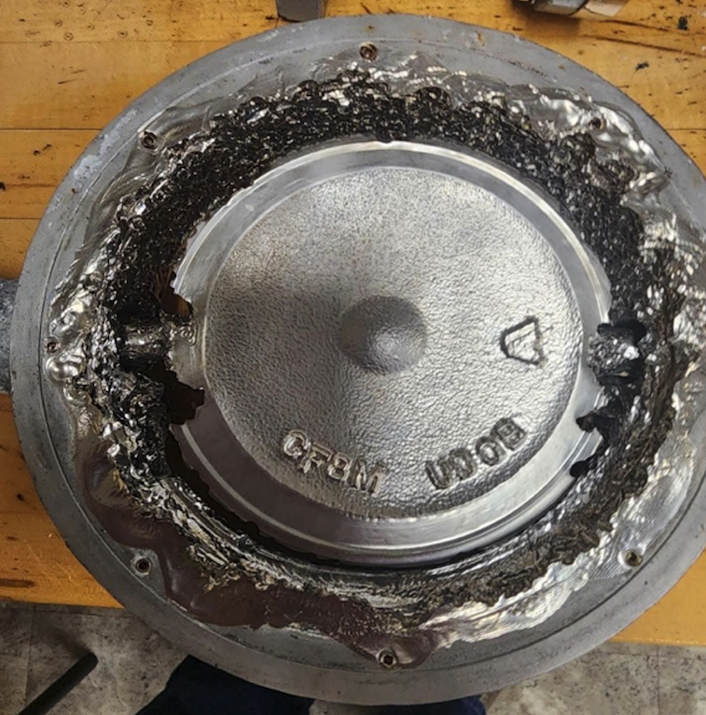
Cavitation occurs within a pump when the pressure of a liquid rises and falls causing bubbles to form and implode. Billions of these implosions after hours of operation impart severe wear on impellers and fluid systems. (Figure 2).
In addition to shortened lifespan of the impeller, operators must also consider the broader impacts of cavitation.
Excessive machinery vibration affects the foundation, damages mechanical seals, and shortens bearing life. The sheering of metal components can also contaminate production processes.
NPSH represents the difference between the pressure at the pump inlet and the vapor pressure of the fluid. When there isn’t enough pressure at the inlet, cavitation is likely to occur.
Fluctuations in fluid temperature also results in vapour pressure changes. In operations with high temperatures, improper cooling of components can heat fluid unexpectedly and unnecessarily.
Operating equipment outside of its factory specifications inevitably leads to problems. This is especially true for pumps, where proper system design and pump selection are essential. If a pump is oversized for an application or if the flow rate operates below or above the pump's design range, it creates conditions that lead to cavitation.
Certain pump designs and configurations create low-pressure areas within the pump which can trigger cavitation under specific operating conditions.
Insufficient pressure on the pump’s suction side will drop the vapor pressure of a liquid. Any form of restriction, such as clogged filters, malfunctioning valves, or partially closed piping, as well as poorly designed or installed suction lines will result in insufficient pressure.
The traditional approach to identifying pump cavitation utilized vibration analysis, and it was effectively the best solution we had at the time, but it had limitations:
By the time cavitation causes significant vibrational changes to a pumping system and the surrounding assets, it has already reached an advanced stage. By this time, damage has occurred to components like the impeller, seals, and bearings.
Pumps also operate in complex environments with multiple vibration sources, such as motors, misalignment, bearing wear, and external machinery. This poses challenges for isolating vibration signals only related to cavitation.
Additionally, vibration analysis is a specialist’s technology that requires skilled technicians to distinguish cavitation from other issues. The process can be time-consuming and depends on properly positioned and calibrated sensors for accurate results. There are quicker methods that require less experience and can be performed with minimal training.
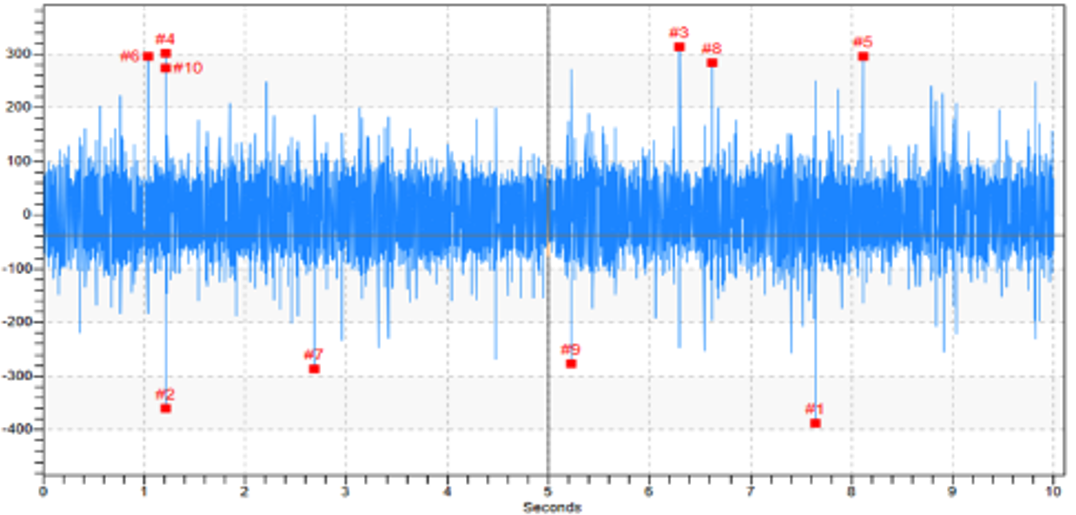
The early, subtle signs of cavitation first occur in higher frequencies (38-42kHz) before any damage has been imparted on the impeller. But if technicians attempt to detect these signals using low frequency vibration, they can be masked by the overall vibration inherent in the asset. Ultrasound monitoring addresses this limitation by capturing the high-frequency sounds produced by imploding bubbles. Therefore, allowing for timely maintenance planning and interventions.
Ultrasound inspection for pump cavitation is straightforward. By placing a contact ultrasound sensor on the pump's volute and listening for the distinct sound of bubbles imploding, technicians are able to quickly and easily identify cavitation.
Raising the water level in the upstream reservoir increases the pressure on the suction side of the pump. This added weight helps prevent the formation of bubbles by maintaining the liquid’s pressure above its vapor pressure, which is critical for avoiding cavitation bubbles.
Flow restrictions can be caused by sharp bends, clogged filters, failed valves, and undersized pipes. They create pressure drops that reduce the available NPSH (NPSHa). By using properly sized and configured piping, regularly maintaining filters, testing valve condition, and eliminating unnecessary restrictions, liquids will flow smoother into the pump, and the risk of cavitation is reduced.
Installing an inducer or operating the pump at lower flow rates can help maintain sufficient suction pressure to prevent cavitation. An inducer is a specialized axial-flow impeller. It increases the pressure at the pump’s inlet. Similarly, operating the pump at lower flow rates helps stabilize and regulate the suction side pressure.
A system mis-engineered for the application is doomed from the start. Ensuring the fluid system is properly matched to the application is crucial for avoiding cavitation and overall faulty operation. The first step in this process involves selecting the correct pump for the application and verifying that the NPSH required (NPSHr) matches or is less than the NPSHa.
The earliest indication of a change in an asset’s condition is discovered in the ultrasonic domain, no matter how subtle those changes might be. Ultrasound senses the high frequency changes in an asset’s function, allowing inspectors to anticipate failures and plan maintenance interventions with a larger window of opportunity.
Hyper-sensitivity towards friction, impacting, and turbulence not only gives ultrasound condition monitoring leading detection capabilities – but also allows for extreme versatility in detecting a wide range of defects across a number of different asset classes.
We have supported industry with advanced ultrasound solutions for nearly 50 years. By promoting more reliable, sustainable, and safe manufacturing processes and empowering maintenance and reliability teams to better understand the health of their most critical production assets, we’ve helped legitimize ultrasound globally as a viable condition monitoring technology.
The precision and reliability of SDT’s Ultrasound Data Collectors have made us a trusted partner for some of the world’s most reliable companies. From bearing condition monitoring and lubrication optimization to sustainable compressed air management and electrical system inspections, our solutions empower organizations to achieve their operational objectives. Contact us today to learn how you can get started monitoring the condition of your critical fluid systems today.