Walk into almost any plant and you will hear it. If a little grease is good, more must be better. That belief has quietly cost industry millions.
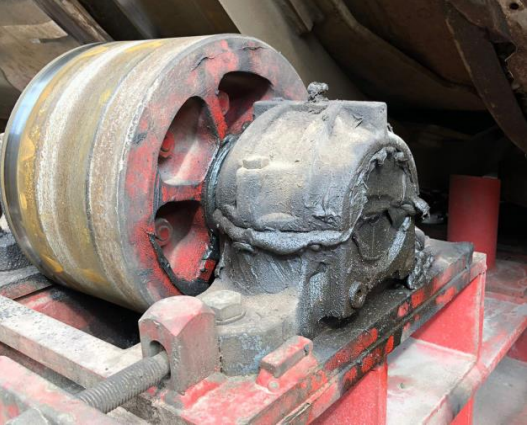
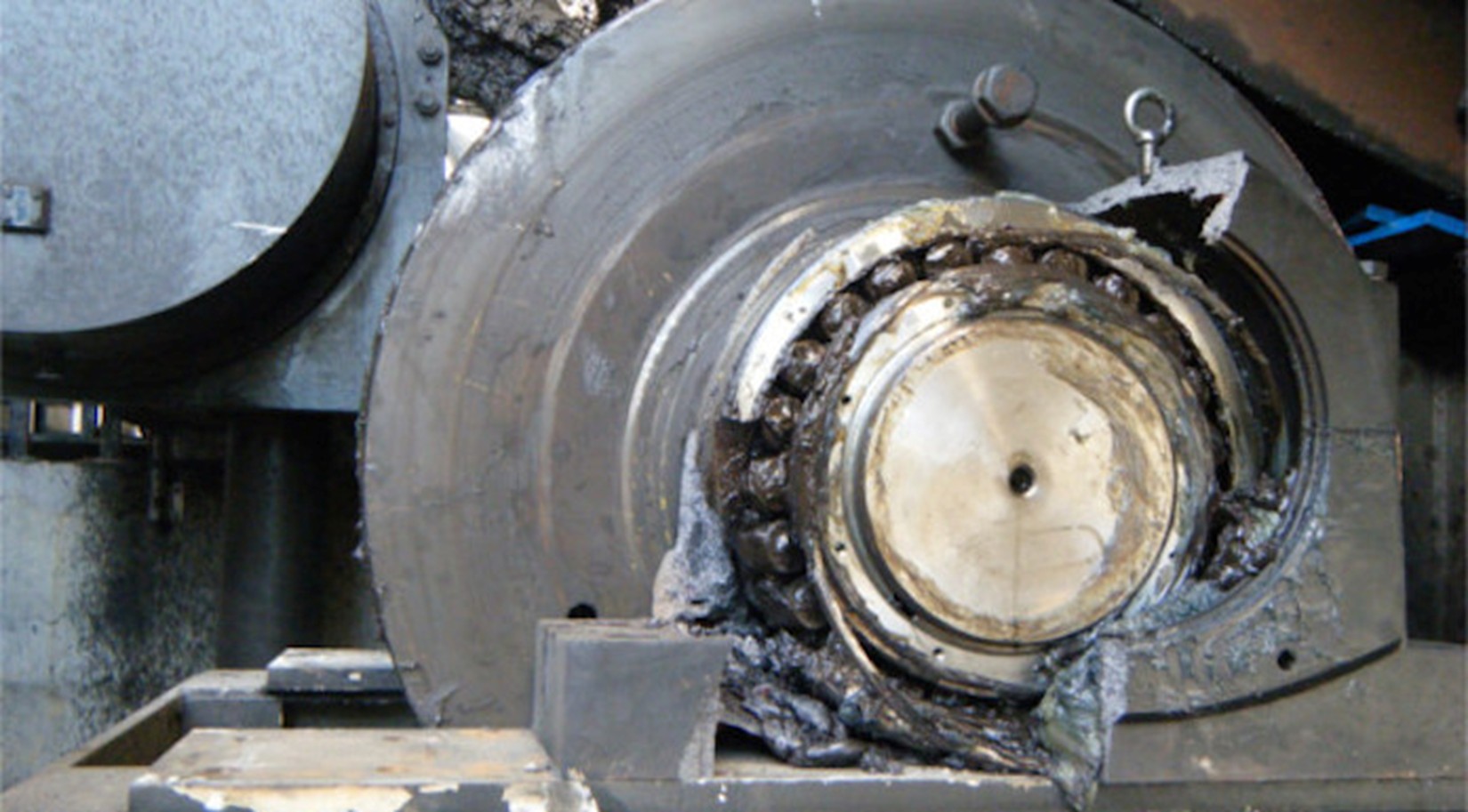
Over-greasing does not protect bearings. It creates excess pressure, increases friction, raises operating temperatures, and pushes grease past seals. The result is premature bearing failure, contamination, and unnecessary energy consumption.
First, there is the cost of the grease itself. When hundreds or thousands of assets are lubricated on a calendar schedule, excess grease adds up quickly.
Second, there is the cost of unreliability. Over-greasing shortens bearing life. When bearings fail early, you are not just replacing a component. You are paying for labor, planning, inventory, emergency response, and lost technician time that could have been spent improving the plant.
Then there is the cost of lost production. When a critical motor or pump fails unexpectedly, operations stop. Downtime impacts output, delivery schedules, and revenue. What started as a routine lubrication task becomes a costly disruption.
Over-greasing continues for one simple reason: lack of feedback. Traditional grease guns provide no real-time indication of when enough is enough. Lubrication is often based on time rather than condition. Bearings do not fail on a schedule. Their needs change based on load, speed, environment, and wear.
Guessing is expensive.
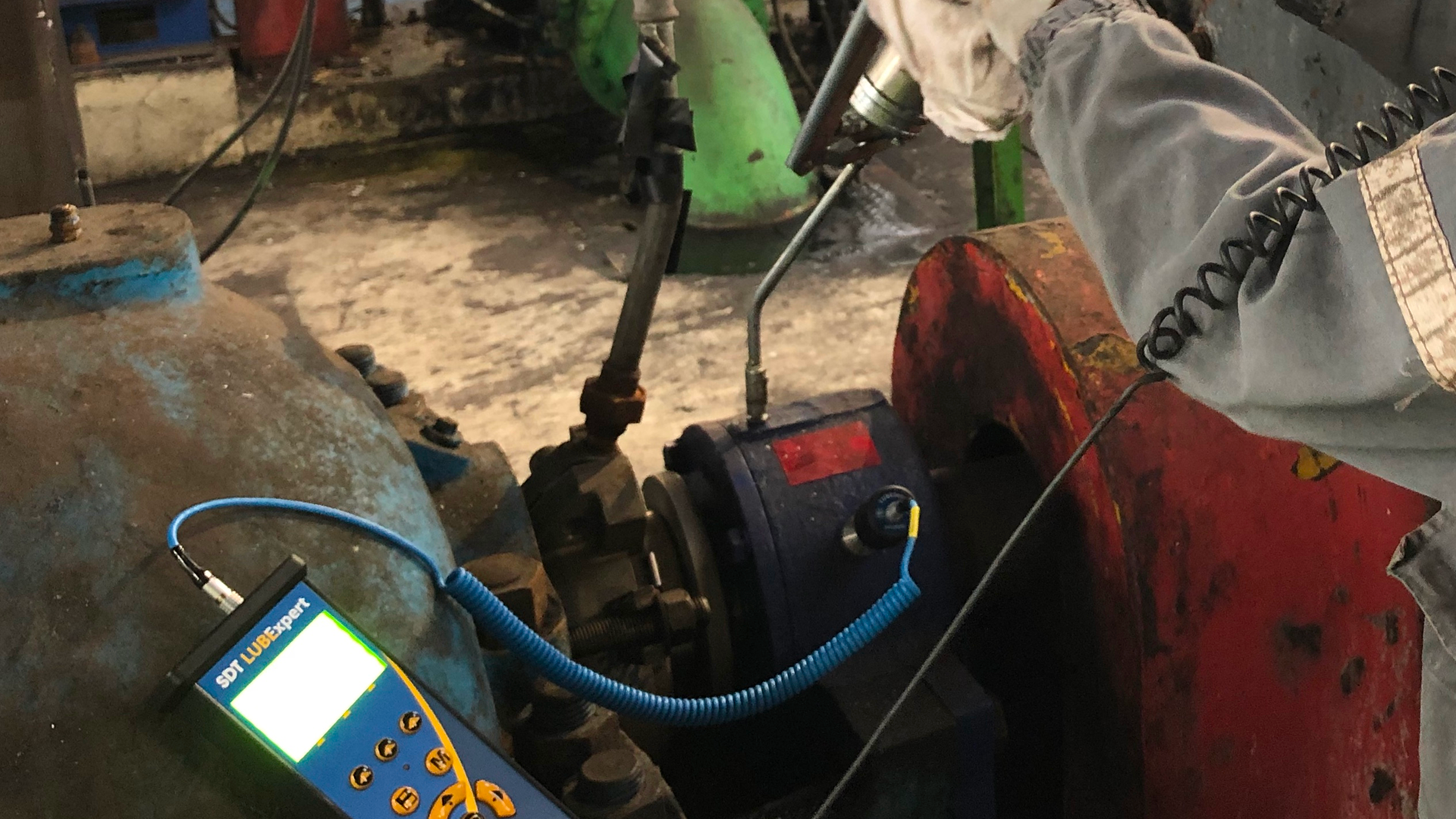
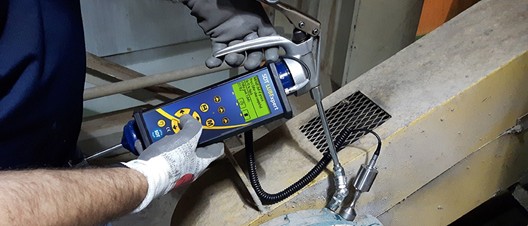
LUBExpert was designed to eliminate that guesswork. Using real-time ultrasound feedback from the bearing, it tells the technician when lubrication is required and confirms when the optimal level has been reached. It alerts the user to stop before over-pressurizing the bearing.
What was once a routine task becomes a controlled, measurable process. The result is less grease used, longer bearing life, lower energy consumption, and fewer emergency repairs.
Technology alone does not fix bad habits. That is why SDT developed the LUBExpert Implementation Master Class. The program teaches how lubrication works, how failures develop, how to build condition-based routes, and how to sustain results long term.
Reducing over-greasing is not just about saving grease. It is about reducing waste, preventing failures, freeing technician time, and protecting production.
If your plant still relies on calendar-based lubrication, it may be worth asking a simple question. How much is routine over-greasing really costing you?