Motor Cooling Fan Failure Analysis 

Even a small motor cooling fan plays a critical role in the production process. It does more than just regulate temperature, it prevents overheating, extends motor bearing life, and keeps the paper machine running efficiently. Without proper cooling, the motor risks premature failure, leading to unplanned downtime and costly disruptions.

This case study from a paper mill in Ontario, Canada highlights a simple ultrasound inspection that can quickly assess electric motors.

Previously, the facility actively monitored the drive-end & non-drive-end bearings on this electric motor but used a run-to-failure approach for the motor’s cooling fan. This allowed the fan to operate in a failed state for extended periods, leading to unnecessary wear on the paper machine’s motor and increasing the risk of unexpected failure leading to unplanned downtime.
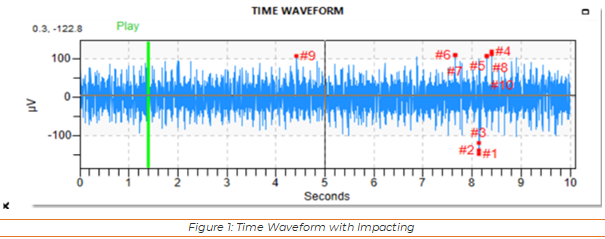
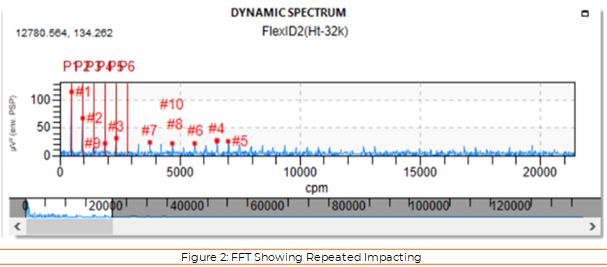
Figure 1: Time Waveform with Impacting
Figure 2: FFT Showing Repeated Impacting

maintenance team was able to test the motor’s drive-end and non-drive-end bearing and determine there was a failure occurring somewhere within the motor, but not necessarily on the motor’s main bearings. 

During the initial inspection, the team observed that the time waveform of the motor’s non-drive-end (NDE) bearing had heightened impacting and friction. The FFT also revealed significant repeated impacting (Figure 2). However, it was discovered that these failure indicators weren’t a direct result of wear on the motor’s NDE bearing.

Further inspection with the SDT340’s onboard temperature sensor revealed the motor was running hot.  

With a planned shutdown just two weeks away, the team decided they could closely monitor the motor leading up to the shutdown, where they could then perform a more detailed inspection of the motor.  During that inspection they determined that the motor’s cooling fan had mechanically failed and was the cause for the increased impacting and temperature increase. It was promptly replaced and repaired.

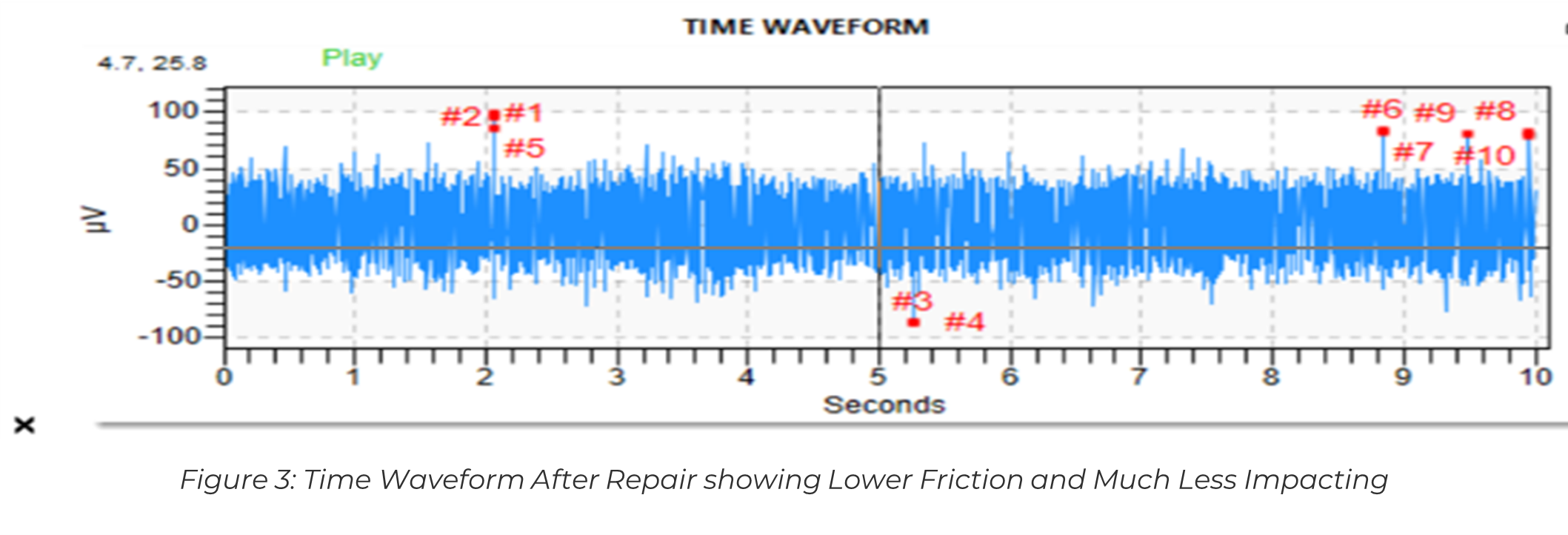
Figure 3: Time Waveform After Repair showing Lower Friction and Much Less Impacting
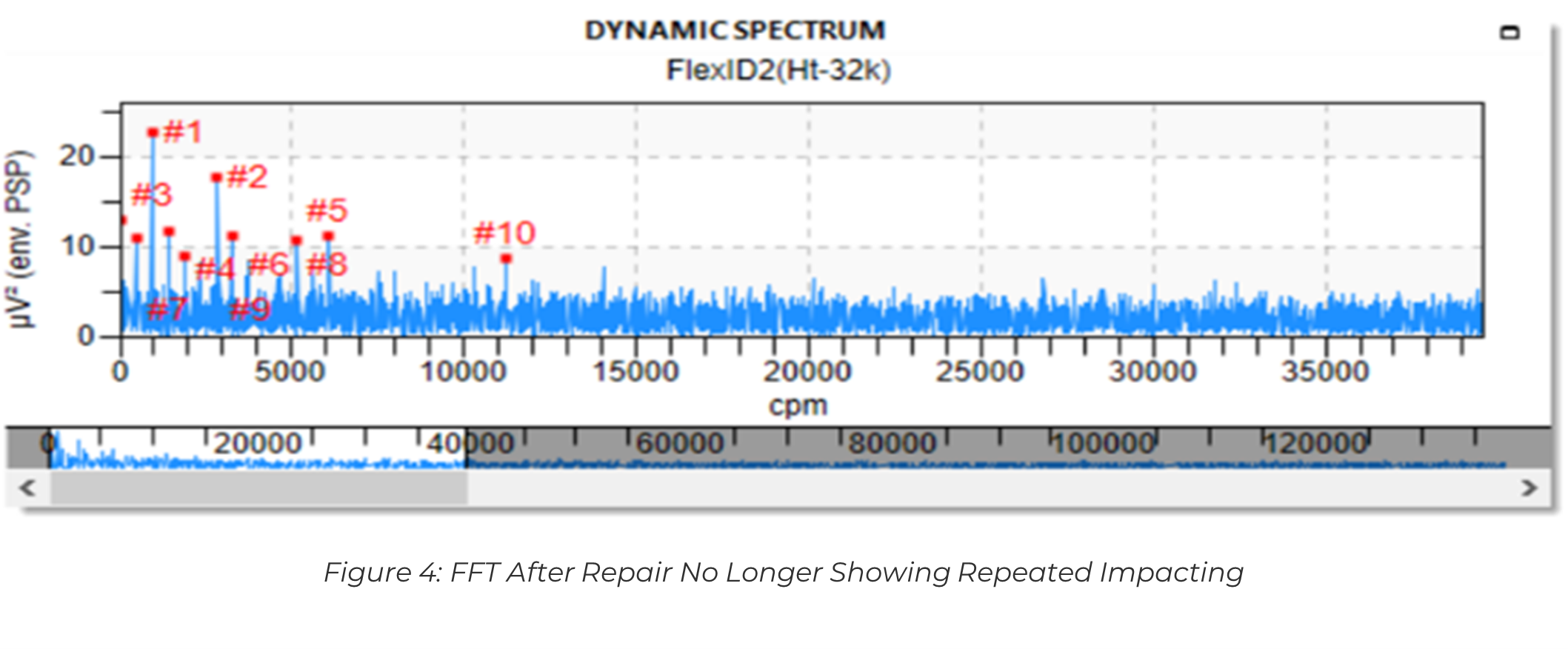
Figure 4: FFT After Repair No Longer Showing Repeated Impacting

After replacing the motor cooling fan, the maintenance team re-inspected the motor’s DE & NDE bearings to confirm that no further issues remained. The follow-up inspection showed a significant reduction in frequency levels in the time waveform (Figure 3). The FFT analysis also revealed far fewer and less severe impacts, with the remaining ones likely attributed to normal fan operation (Figure 4).