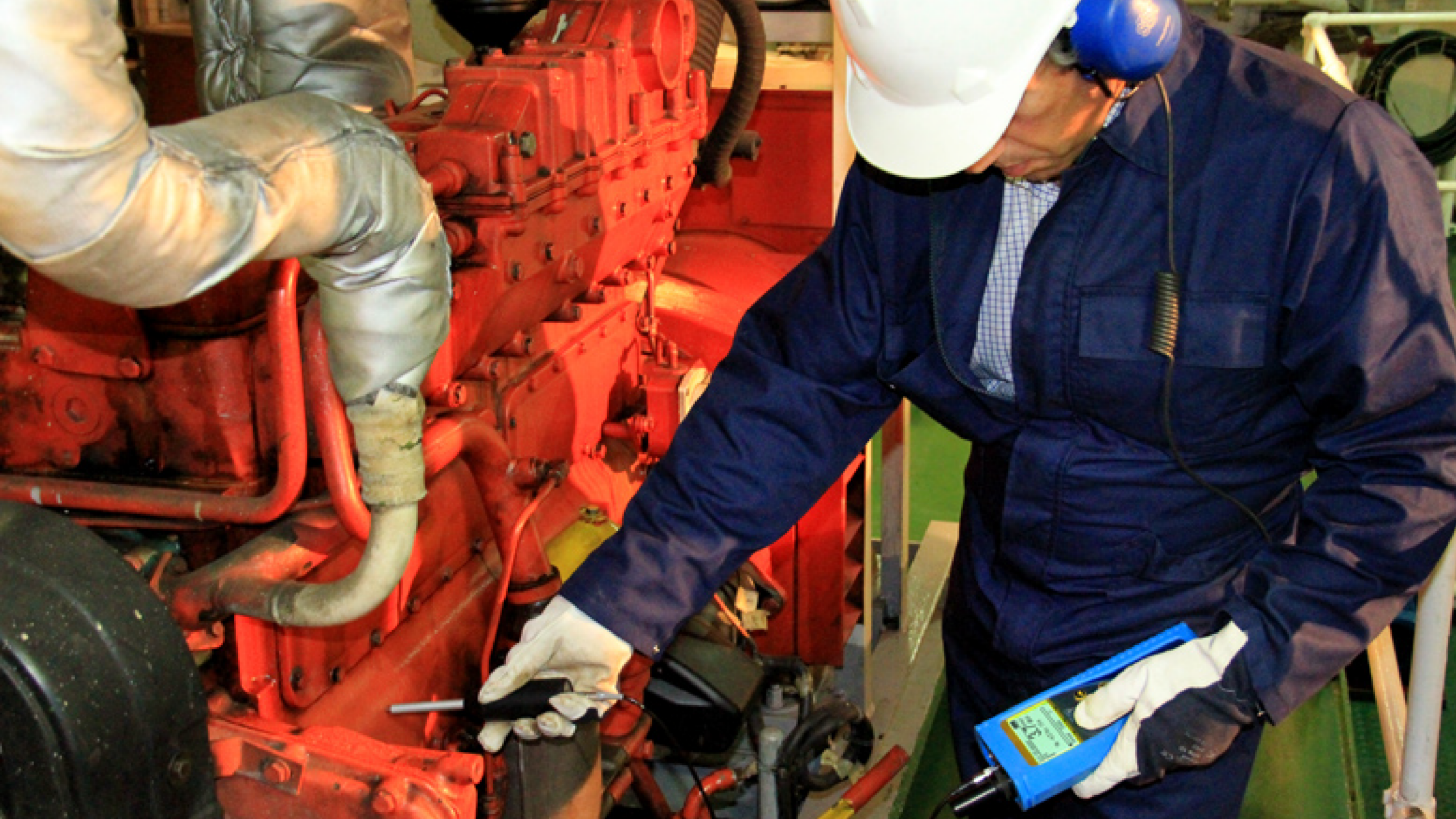
Ultrasound's Triple Bottom Line
Maintenance and reliability teams need tools that help them stretch resources, reduce risk, and meet growing pressure for sustainability and accountability.
That’s a big ask, and most tools only tackle one piece of the puzzle. But there is one technology that consistently delivers quick wins and long-term value across the board. It’s fast to deploy, simple to use, and delivers value across departments.
Ultrasound supports the Triple Bottom Line by improving economic performance, reducing environmental impact, and enhancing workplace safety—all at once. Here’s how:
Fast ROI, reduced downtime, and lower energy bills.
Compressed air is one of the most mismanaged resources in industry. If it’s been over a year since your last survey, you could be losing 30–40% of your supply to leaks.
Ultrasound makes leak detection routine and reliable—even in loud environments. It reveals turbulence from leaks that are otherwise invisible and inaudible.
Most compressed air surveys uncover tens of thousands of dollars in wasted energy. But air leaks are just the start.
Ultrasound also detects early signs of bearing failure, steam trap losses, and electrical discharge—issues that can lead to unplanned downtime, and reduced system efficiency if left unchecked.
Less waste. Lower emissions. Smarter maintenance.
Electric motors consume nearly half of all industrial electricity, and even small mechanical or electrical issues—like misalignment, over-lubrication, or early-stage bearing defects—can reduce their efficiency by 5 to 20 percent.
Compressed air is another major energy sink. A single leak can waste thousands of dollars a year—and most systems leak far more than that. If it’s been over a year since your last survey, your system could be losing up to 40% of its output.
Then there’s steam. If you’re burning fuel to produce it, every BTU matters. But failed steam traps let that heat bleed away before it can do its job, while clogged or sticking traps cause pressure loss and efficiency drops.
Ultrasound helps you catch these problems early—before they drive up your energy bill.
Prevent the failures that put people at risk.
Equipment doesn’t just fail on paper—it fails in real places, near real people. When that happens, it’s not just production on the line. It's safety.
Ultrasound helps detect many of these failure modes early and non-invasively. It’s used to identify internal bearing damage, verify steam trap performance, pinpoint pressure and vacuum leaks, and detect electrical discharge without opening live panels.
This means fewer surprises, less exposure, and a safer environment for everyone working around critical assets.
It's not just good practice—it’s becoming standard. Ultrasound inspection is now outlined in NFPA 70B, the benchmark for electrical maintenance programs in the U.S. Its inclusion marks a shift: proactive technologies like ultrasound aren’t optional add-ons—they’re essential tools for managing risk in modern maintenance programs.
Interested in exploring how ultrasound can enhance your facility's Triple Bottom Line?
Schedule a demonstration with one of our condition monitoring experts to discover practical applications tailored to your operations.
Schedule a Demo
The Hear More Newsletter is written to bring you practical, proven ways to turn sound into maintenance and reliability strategy.